What it is
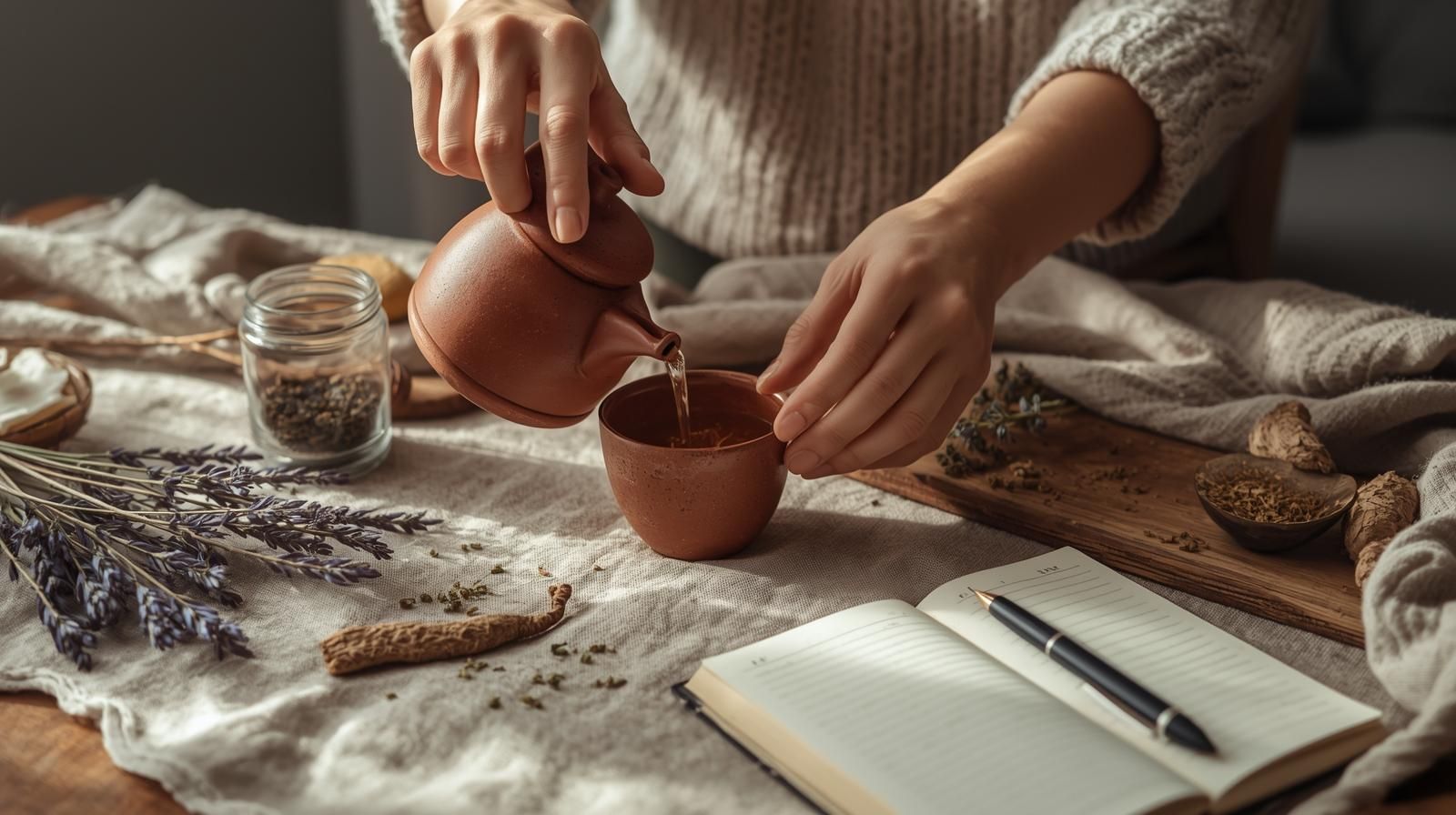
On 7 October 2025, Quirkitude announced a book by Eleye Abdi, “Ancient Herbal Remedies for Stress, Anxiety, and Neurodivergent Balance”. It blends ancestral herbal traditions—think Ayurveda and Traditional Chinese Medicine—with personal storytelling and “modern insights,” focusing on herbs like ashwagandha, lavender and valerian. The intent is compassionate: to offer practical tools for emotional balance, cognitive clarity and sensory support, especially for neurodivergent readers.
Why you might care
- You value depth over hype. A first‑person, culturally rooted account can open space for reflection and ritual—without pretending there’s a single fix.
- You care about ethics. The book highlights sustainable, ethical sourcing, which aligns with a more intentional wellness practice.
- You’re filtering noise. If you’ve felt overwhelmed by conflicting advice, a thoughtful guide that bridges tradition and evidence could help you design your own gentle, repeatable routines.
Where this overlaps with Plantz’ mission
At Plantz, our north star is to bridge science and soul. We explore time‑honoured botanicals with curiosity, check claims against current evidence, and champion sourcing that respects people and ecosystems. We see herbs as companions in a wider ritual—sleep, breath, movement, boundaries—not as replacements for clinical care. That lens is very much the spirit in which we read this announcement.
Let’s examine the key claims—calmly and critically
1. “Lavender is calming for body and mind.”
What the research suggests: Oral lavender oil capsules made from a specific preparation (often sold as Silexan) have shown benefits for anxiety in randomised trials, including in sub-threshold anxiety and in generalised anxiety disorder, outperforming placebo and sometimes approaching SSRI comparators on standard anxiety scales. Notably, these results apply to the standardised oral capsule used in trials; they shouldn’t be generalised to every lavender product or to aromatherapy alone.