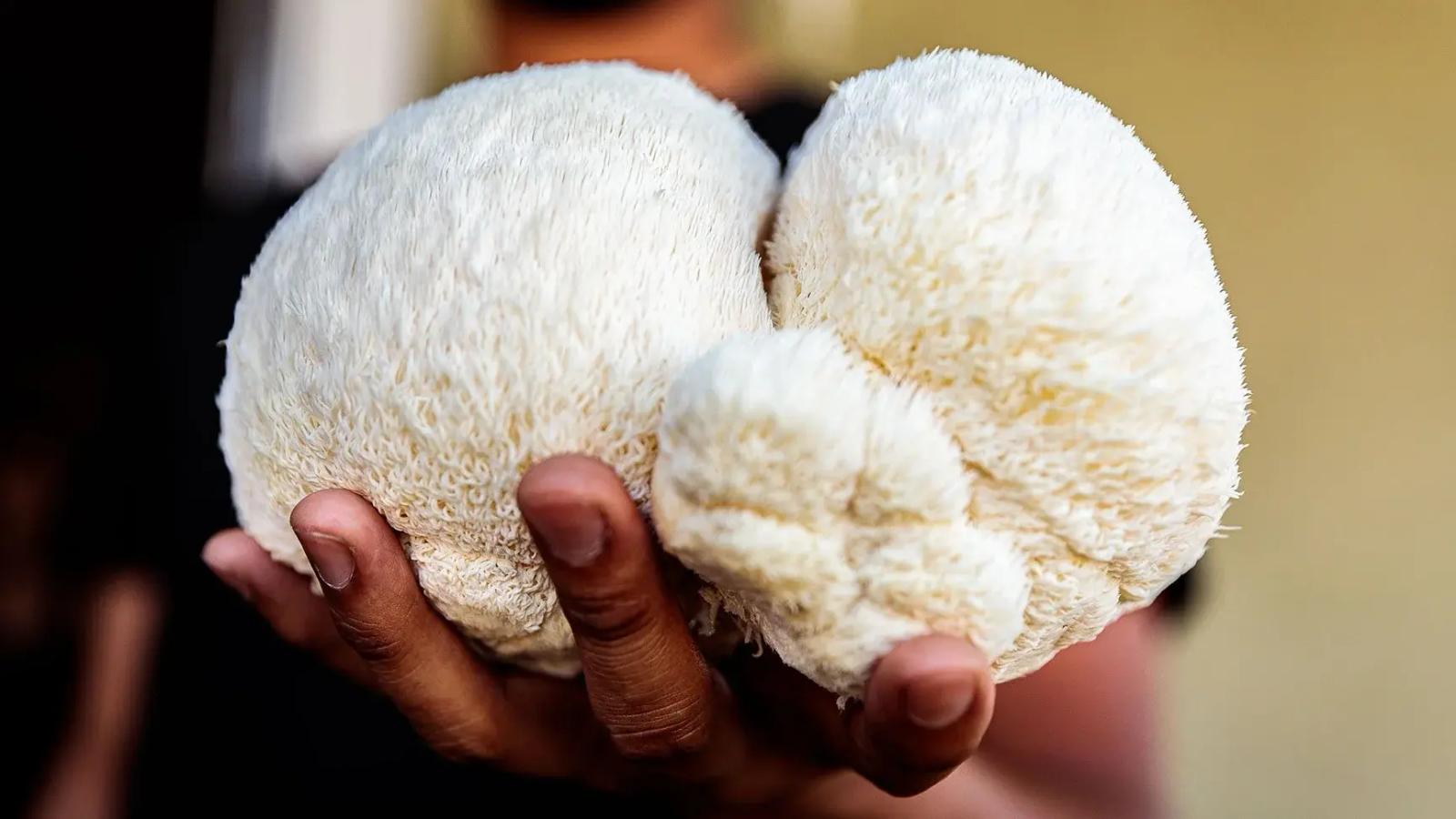
What lion’s mane is — and why it’s getting attention
Lion’s mane (Hericium erinaceus) is an edible fungus used in East Asian cuisines and traditions. Its bioactive compounds—most notably hericenones (from the fruiting body) and erinacines (from the mycelium)—have drawn interest because, in preclinical studies, they can stimulate nerve growth factor (NGF) signalling and promote neurite outgrowth. That mechanistic work doesn’t prove benefits in people, but it explains why human trials have started to appear. (pmc.ncbi.nlm.nih.gov)
What human studies actually show
Evidence in humans is modest and mixed, but sometimes the science can be behind the real-world evidence and patient experience.
A double‑blind, placebo‑controlled trial in 30 older adults with mild cognitive impairment found that 16 weeks of lion’s mane (tablets of dried mushroom) increased scores on a cognitive scale versus placebo; gains waned after stopping, suggesting effects may depend on continued use. (pubmed.ncbi.nlm.nih.gov)
A later randomized, double‑blind trial in adults taking fruiting‑body supplements for 12 weeks reported improvement on one of several tests (MMSE), not across the board—useful, but not a sweeping effect. (pubmed.ncbi.nlm.nih.gov)
In healthy younger adults, results are nuanced. An acute crossover study (a single 3 g dose of 10:1 fruiting‑body extract) found no overall change in composite cognition or mood at 90 minutes, although one motor task improved. A separate 28‑day pilot in 41 adults found quicker performance on a Stroop task 60 minutes after a single dose and a trend toward lower perceived stress after four weeks. These are encouraging signals, but they’re early and small. (pubmed.ncbi.nlm.nih.gov)
Independent evidence summaries reflect this caution: reviews note small, short‑duration trials with mixed findings and call for larger, longer studies to determine optimal dose, form, and duration. ()