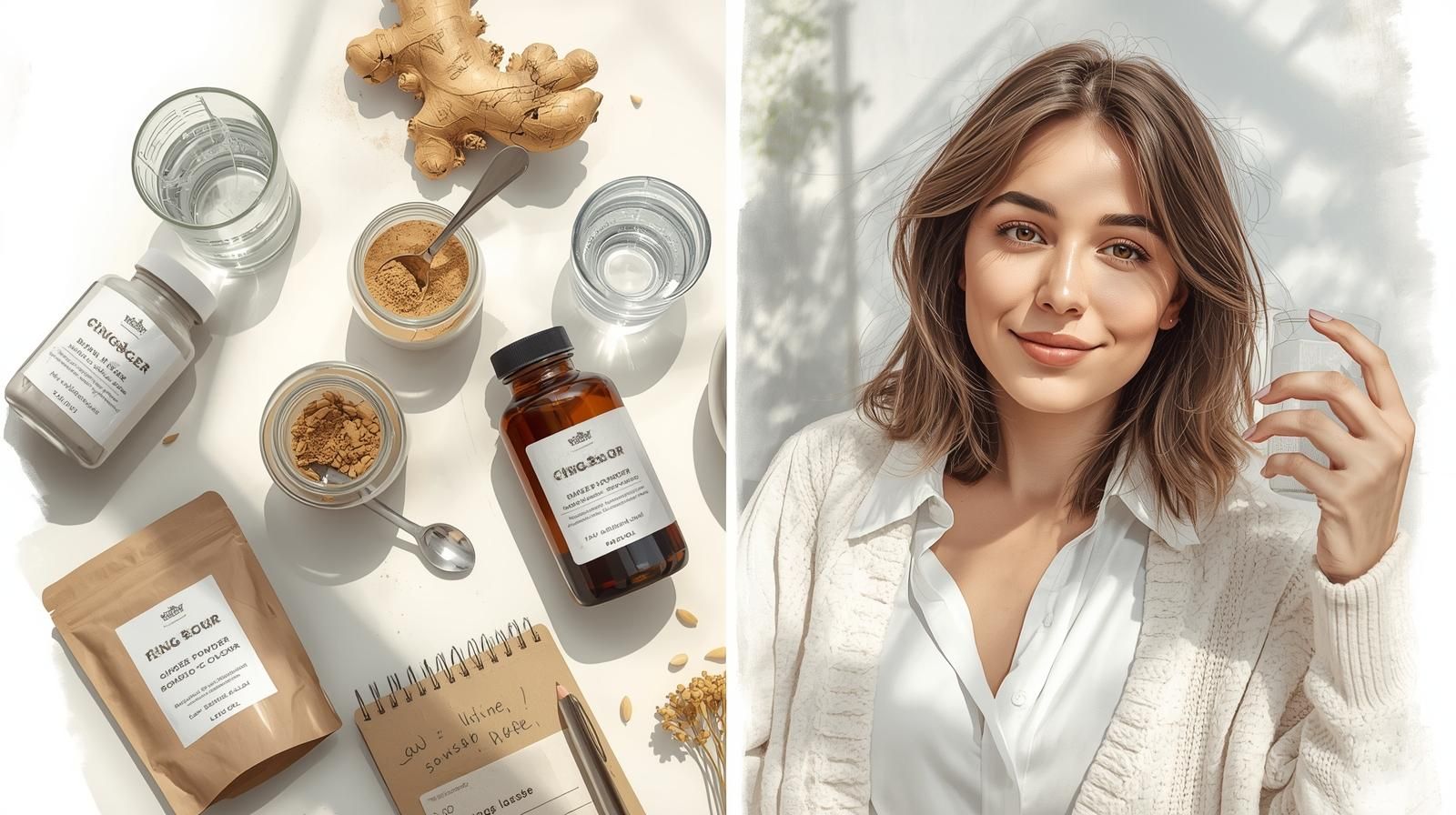
If you live with monthly cramps, you’ve likely wondered: Can ginger help dysmenorrhea in a real, measurable way? The short answer is yes—when you use the right form, dose, and timing, the evidence is compelling.
What the studies show
Systematic reviews and meta-analyses of randomised trials report that oral ginger reduces period pain versus placebo, with a clinically meaningful effect size. In direct comparisons with the NSAID mefenamic acid, ginger delivered similar pain relief with no significant difference in intensity scores. In other words, ginger performed about as well as a standard painkiller used for cramps.
Dose, form, and timing matter
Most trials used 750–2000 mg per day of dried ginger powder in capsules during the first three to four days of bleeding. Starting at the onset of your period—or just before if your cycle is predictable—consistently aligned with better outcomes. This early start helps moderate prostaglandin build‑up, which drives cramping.
Form is not a small detail. Fresh ginger is rich in gingerols, while drying converts some of those compounds into shogaols, which dominate in many supplements. Most positive trials used dried powder capsules, not fresh ginger tea. That difference likely explains why kitchen remedies can feel hit‑and‑miss.
You may also appreciate the pace of onset. Human pharmacokinetic studies show key compounds reach peak blood levels at about one hour after ingestion. That timeline fits an acute‑care use case like period pain.
How might it work?
Ginger appears to act as a gentle, multi‑target anti‑inflammatory. Preclinical data show it modulates COX‑2 and NF‑κB pathways and can influence prostaglandin and leukotriene synthesis. That profile offers a clear biological rationale for the pain reductions seen in trials of primary dysmenorrhea.
Safety and tolerability
Ginger is generally well tolerated. The most common complaint is mild heartburn, which you can often prevent by taking capsules with food. Unlike long‑term NSAID use, ginger has not carried the same risks of gastrointestinal bleeding, cardiovascular events, or renal issues in clinical studies. That difference may matter if you need support cycle after cycle.