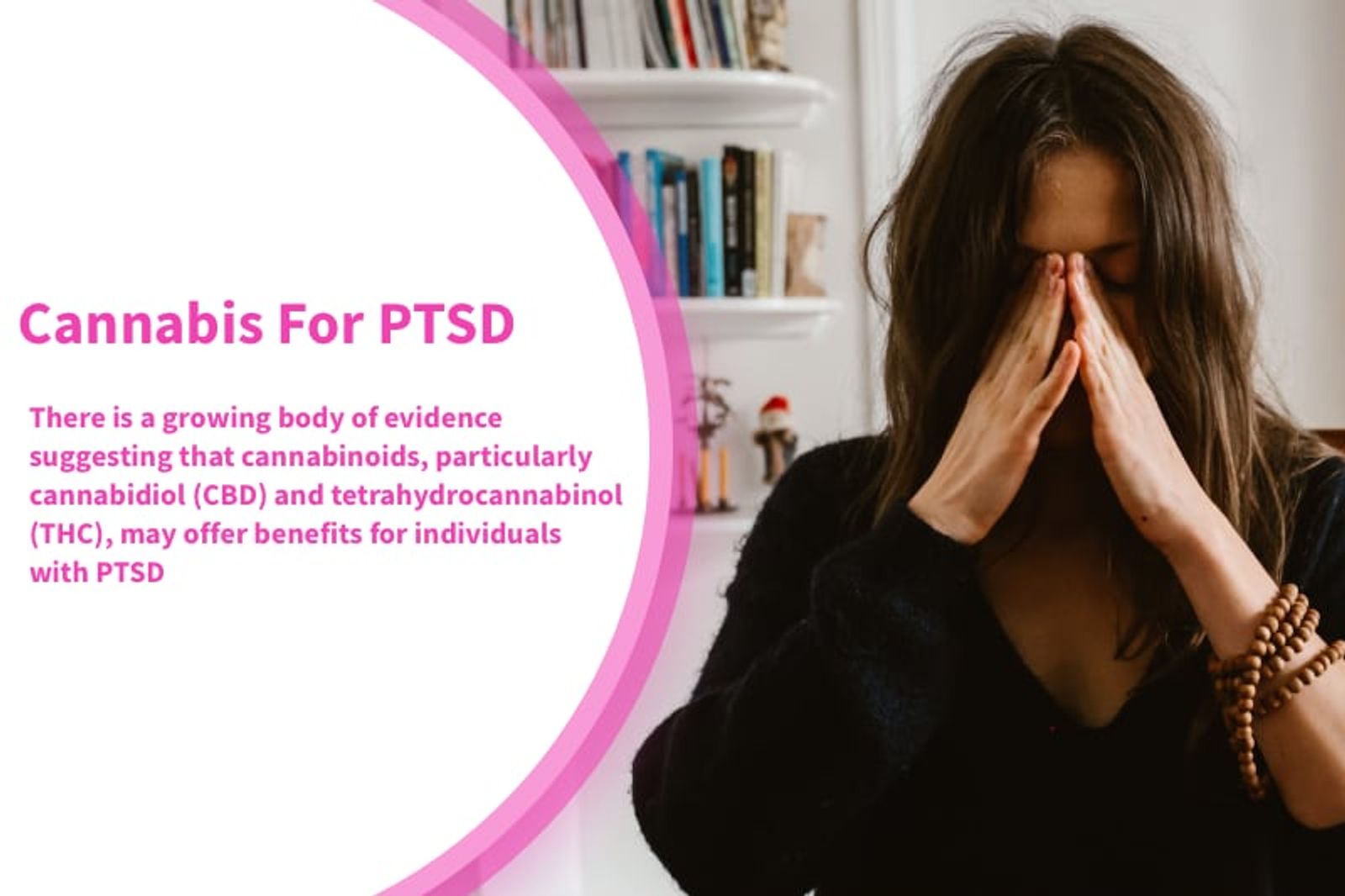
How do cannabinoids help patients with PTSD
Cannabinoids, the chemical compounds found in the cannabis plant, have been explored for their potential therapeutic effects on various conditions, including post-traumatic stress disorder (PTSD). While research is ongoing, there is a growing body of evidence suggesting that cannabinoids, particularly cannabidiol (CBD) and tetrahydrocannabinol (THC), may offer benefits for individuals with PTSD. Here are some ways cannabinoids may help patients with PTSD:
Anxiolytic Effects of CBD:
- CBD, a non-psychoactive cannabinoid, has been studied for its anxiolytic (anxiety-reducing) effects.
- Individuals with PTSD often experience heightened levels of anxiety. CBD may interact with receptors in the brain, including serotonin receptors, to modulate anxiety responses.
Stress Response Modulation:
- The endocannabinoid system (ECS), which interacts with cannabinoids, plays a role in regulating the stress response.
- Cannabinoids may influence the release of stress hormones, helping to modulate the exaggerated stress response seen in individuals with PTSD.
Fear Extinction:
- PTSD is characterised by persistent and intrusive memories of traumatic events. Cannabinoids may play a role in fear extinction, the process by which the brain reduces the emotional response to traumatic memories.
- Animal studies suggest that cannabinoids, particularly THC, may facilitate the extinction of aversive memories.
Sleep Regulation:
- Sleep disturbances are common in individuals with PTSD. Both CBD and THC have been studied for their potential to improve sleep.
- CBD, in particular, may help address insomnia and promote better sleep quality, contributing to overall well-being for individuals with PTSD.
CB1 Receptor Activation:
- CB1 receptors, a type of cannabinoid receptor, are abundant in the brain and are involved in emotional processing.
- THC, by binding to CB1 receptors, may impact emotional responses and help regulate mood, potentially alleviating symptoms associated with PTSD.