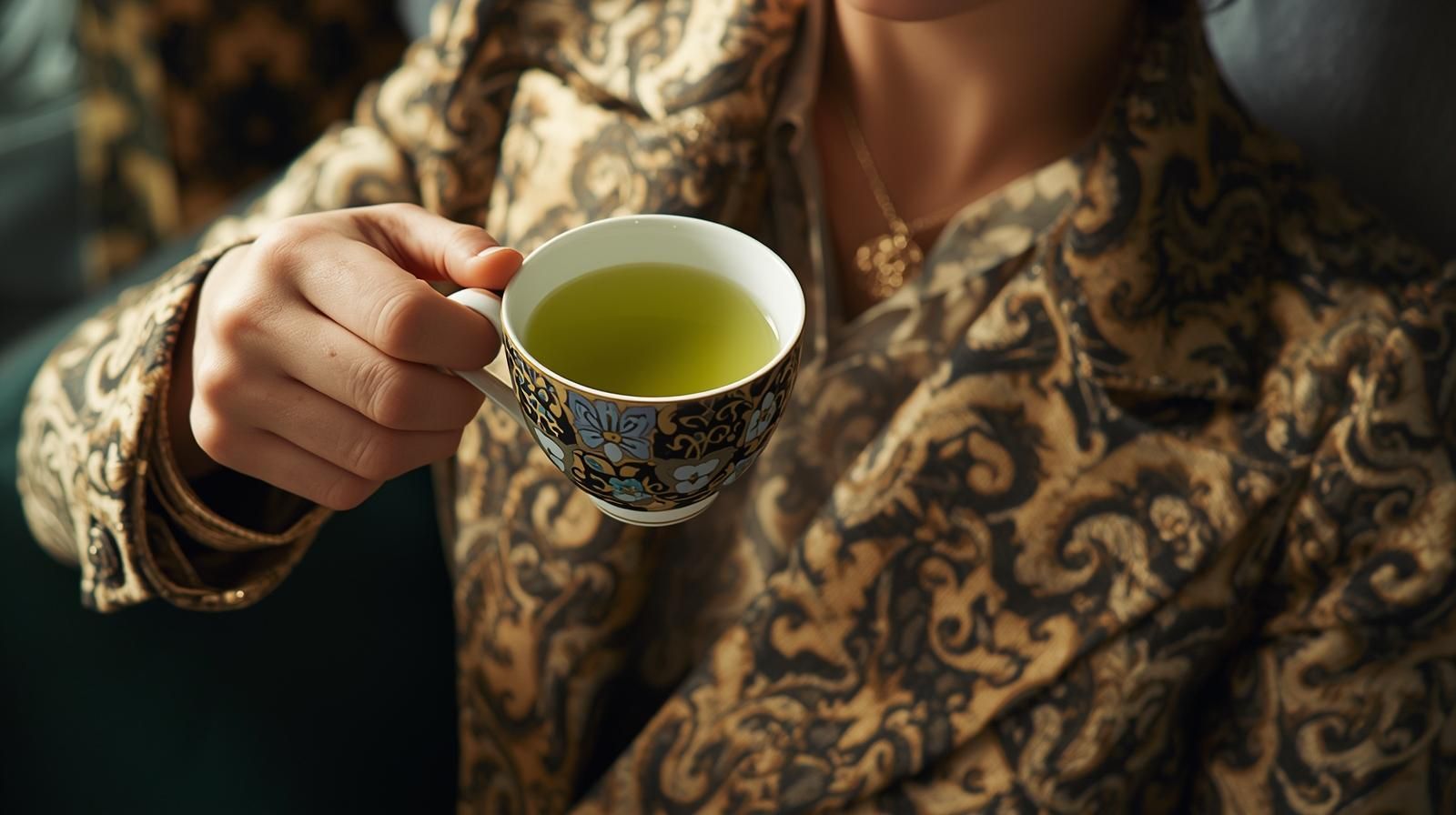
That morning cup of green tea feels like such a wholesome ritual, doesn’t it? The gentle warmth, the delicate flavour, and all those wellness benefits we’ve heard about. But here’s where things get interesting—and potentially concerning. When that same green tea gets concentrated into supplement form, we’re entering entirely different territory. Recent years have brought a string of liver toxicity reports linked to green tea extracts, prompting regulatory warnings and leaving many of us wondering: how did something so seemingly innocent become potentially harmful?
The Concentration Game: Why Supplements Hit Differently
The key difference lies in concentration. Your typical cup of green tea contains about 25-50mg of EGCG (epigallocatechin gallate), the primary active compound. A green tea extract supplement? That can pack anywhere from 300-800mg of EGCG per capsule—sometimes more. That’s like drinking 15-30 cups of tea in one go, which puts things into rather stark perspective.
Matcha sits somewhere in the middle, containing roughly 130mg of EGCG per serving because you’re consuming the whole powdered leaf rather than just steeping it. This concentration difference isn’t just about potency—it fundamentally changes how your body processes these compounds.
Research suggests that EGCG, whilst beneficial in moderate amounts, can become problematic when highly concentrated. The compound that supports cellular health in your daily brew can overwhelm your liver’s processing capacity when delivered in supplement doses, particularly under certain conditions.
When Green Tea Extract Goes Wrong: The Liver Connection
The liver toxicity reports aren’t isolated incidents—they’re part of a documented pattern that’s caught the attention of regulatory bodies worldwide. Case studies have identified acute hepatitis, elevated liver enzymes, and in severe cases, liver failure requiring transplantation, all linked to green tea extract supplementation.