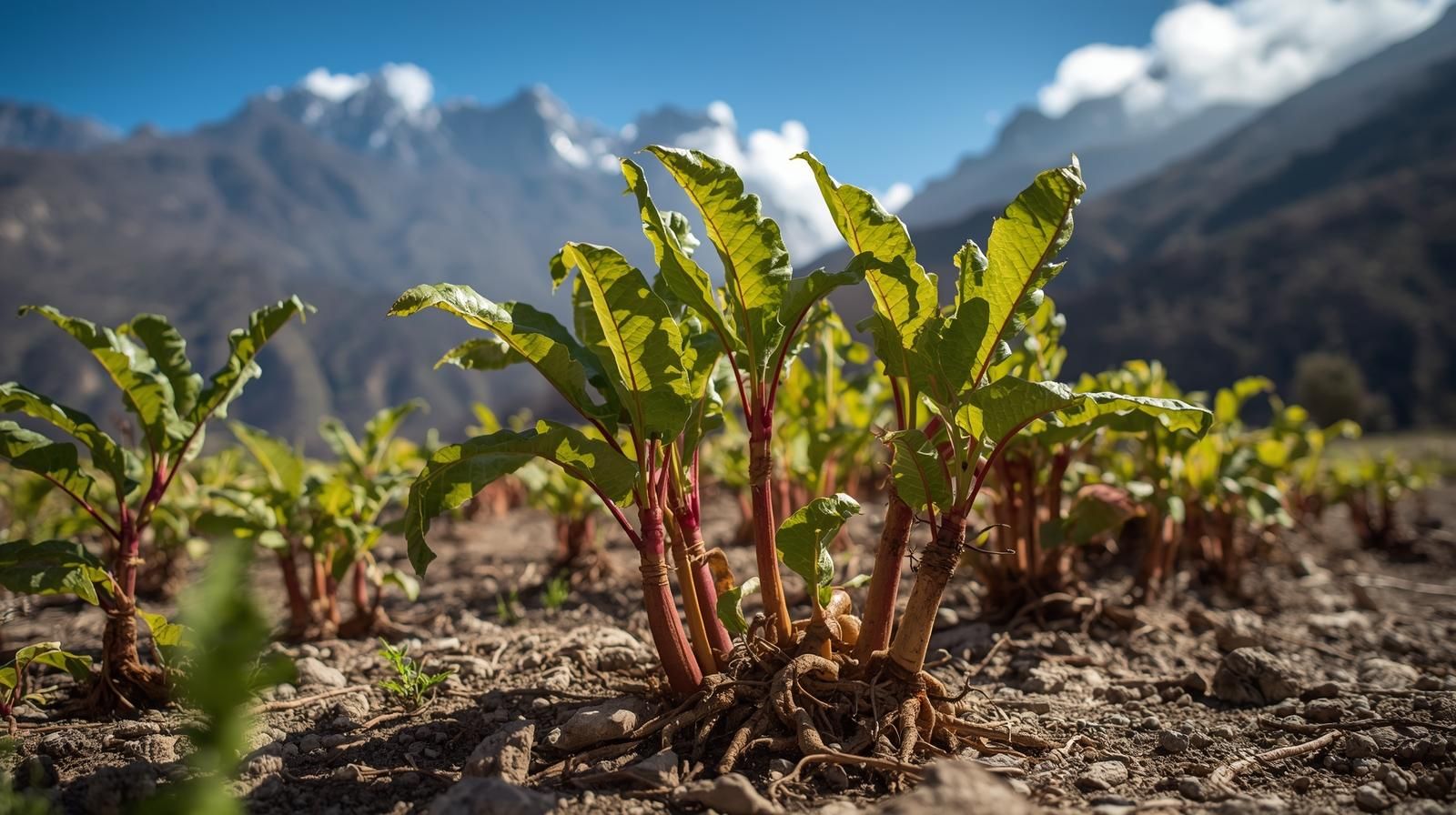
You’ve probably spotted maca root powder in the wellness aisle, promising everything from boundless energy to hormonal harmony. This humble Peruvian tuber has certainly made quite the journey from Andean mountainsides to modern smoothie bowls. But as someone who’s learnt to look beyond the marketing buzz, you’re probably wondering: what does the science actually say about this “superfood”?
The Altitude Advantage: Where Maca Comes From
Maca (Lepidium meyenii) isn’t just any root vegetable. It thrives at elevations of 3,500-4,450 metres in Peru’s Central Highlands, where oxygen is thin and conditions are harsh. For over 2,000 years, indigenous communities have cultivated and consumed maca as both food and medicine, traditionally using it to support fertility, energy, and endurance in these challenging conditions.
This extreme environment may be key to understanding maca’s potential benefits. Plants that survive such conditions often develop unique compounds to protect themselves, and research suggests maca contains several bioactive components including macamides, macaenes, and various alkaloids. These compounds appear to interact with our body’s hormonal and nervous systems, though the mechanisms aren’t fully understood yet.
The traditional use is compelling, but it’s worth noting that what works at altitude in Peru may not translate directly to our lives at sea level. Let’s examine what clinical trials have actually found.
Sexual Function: The Strongest Evidence
If there’s one area where maca has earned some scientific credibility, it’s sexual health. A 2010 systematic review analysed four randomised controlled trials involving 131 participants and found that maca supplementation was associated with improved sexual function compared to placebo groups.
One particularly interesting study followed 57 men for 12 weeks, giving them either maca extract or placebo. Those taking maca reported significant improvements in sexual desire after just 8 weeks, regardless of age or anxiety levels. Another trial with postmenopausal women found similar results after 6 weeks of supplementation.