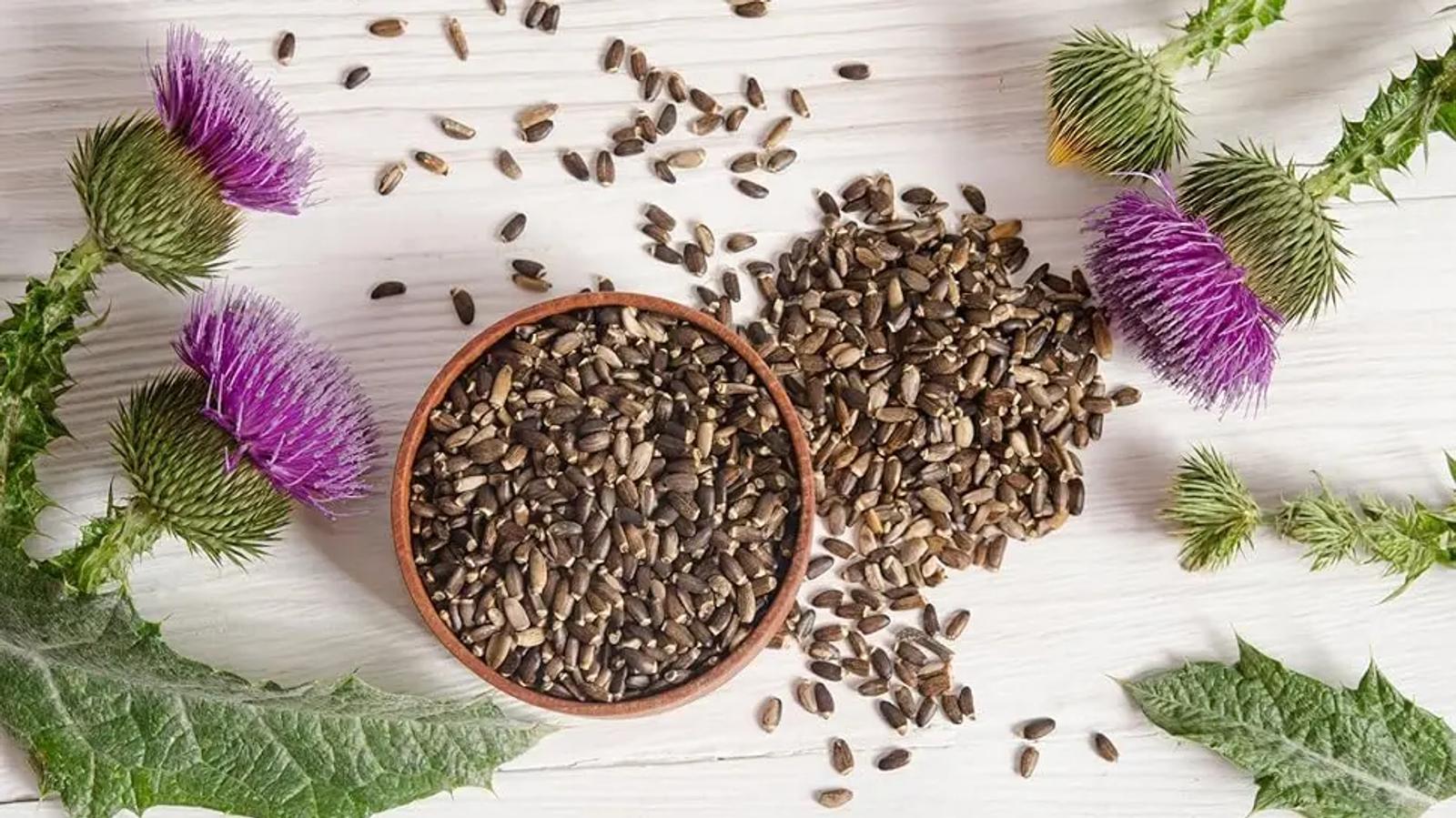
Your liver works tirelessly around the clock, processing everything from your morning coffee to last night’s wine, filtering toxins and producing essential proteins. It’s remarkably resilient, but modern life throws a lot at this vital organ. Could milk thistle, a spiky purple flower that’s been valued for liver health for over 2,000 years, offer some genuine protection? Let’s examine what the science actually tells us.
The Science Behind Silymarin: How Milk Thistle Works
The therapeutic power of milk thistle lies in silymarin, a complex of flavonolignans extracted from the seeds. This isn’t just one compound but a mixture, with silybin (also called silibinin) being the most potent component, making up about 50-70% of the total complex.
Research suggests silymarin works through several mechanisms that may support liver health. At the cellular level, it appears to act as a powerful antioxidant, neutralising free radicals that can damage liver cells. Studies show it may also stabilise liver cell membranes, making them more resistant to toxins trying to enter.
Perhaps most intriguingly, silymarin seems to stimulate protein synthesis in liver cells. This could help with liver regeneration – the organ’s remarkable ability to repair and rebuild itself. Laboratory studies indicate it may also interfere with the inflammatory pathways that can lead to liver scarring, though more research is needed to confirm these effects in humans.
Clinical Evidence for Liver Protection
When it comes to protecting the liver from various types of damage, the clinical evidence for milk thistle presents a mixed but cautiously optimistic picture.
For alcohol-related liver damage, several studies have shown promising results. A 2017 systematic review found that silymarin supplementation may help reduce markers of liver inflammation and improve liver function tests in people with alcoholic liver disease. However, the studies varied considerably in their methods and quality, making it difficult to draw definitive conclusions.