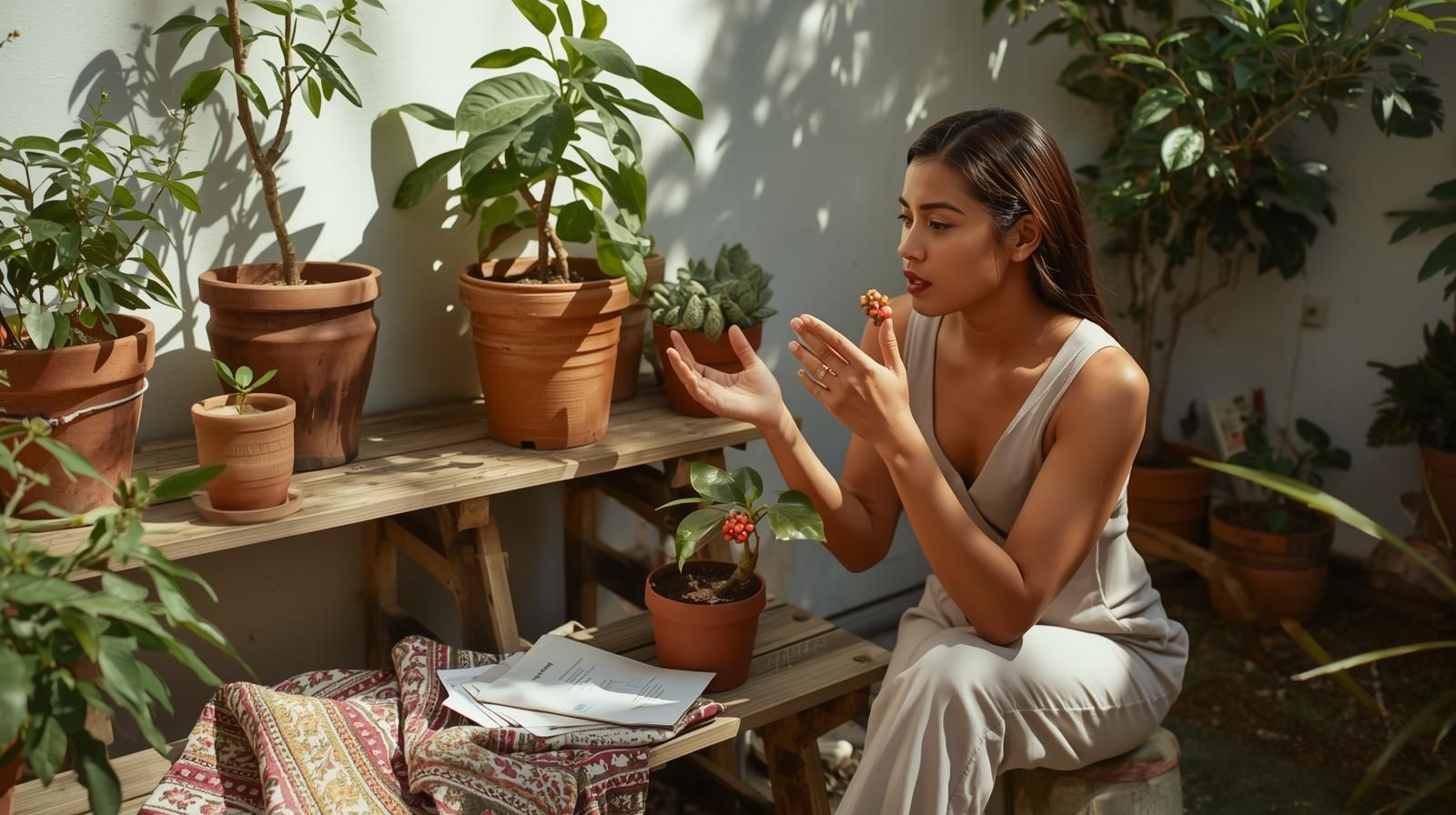
A recent Florida nursery snapshot is a small window into a bigger 2025 story: people are folding plants back into everyday wellbeing—through taste, ritual, and culture. Everglades Farm reports surging interest in Miracle Fruit, Neem, Rue (Ruda), Moringa, Guava and Papaya, especially among communities reconnecting with Caribbean and Latin American traditions.
Trends to watch…
Sugar‑sensory swaps: Miracle Fruit (Synsepalum dulcificum) doesn’t sweeten food; it momentarily shifts your taste perception via a protein called miraculin—so lemon tastes like sherbet without added sugar. The UK has moved this forward: dried miracle berry has an EFSA safety opinion and UK ACNFP advice, paving the way for regulated food‑supplement uses at low daily amounts. Expect niche “taste‑modifying” products and experiences here, not just in the US.
“Grow your own wellness”: Sales data show herbal supplements keep rising in the US (a useful bellwether), hitting about $13.23 billion in 2024. That demand often spills into home growing and functional foods.
Multicultural botanicals, mainstream shelves: Moringa powders and teas, guava leaf infusions, and papaya‑based snacks fit a broader shift toward nutrient‑forward, minimally processed options. Moringa’s leaves are notably nutrient‑dense, though quality and form matter.
How this translates in Britain
Availability and regulation differ. Miracle berry products may appear as novel‑food‑authorised capsules or powders rather than fresh fruit. Neem is common in cosmetic/topical formats; internal use raises safety questions (including rare hepatotoxicity). Rue grows well ornamentally in the UK but has phototoxic and pregnancy‑related risks—best treated as a garden ritual plant rather than an ingestible. Always look for lawful labelling (THR for traditional‑use medicines; novel‑food authorisations for new foods). Are trends reflected in new products?