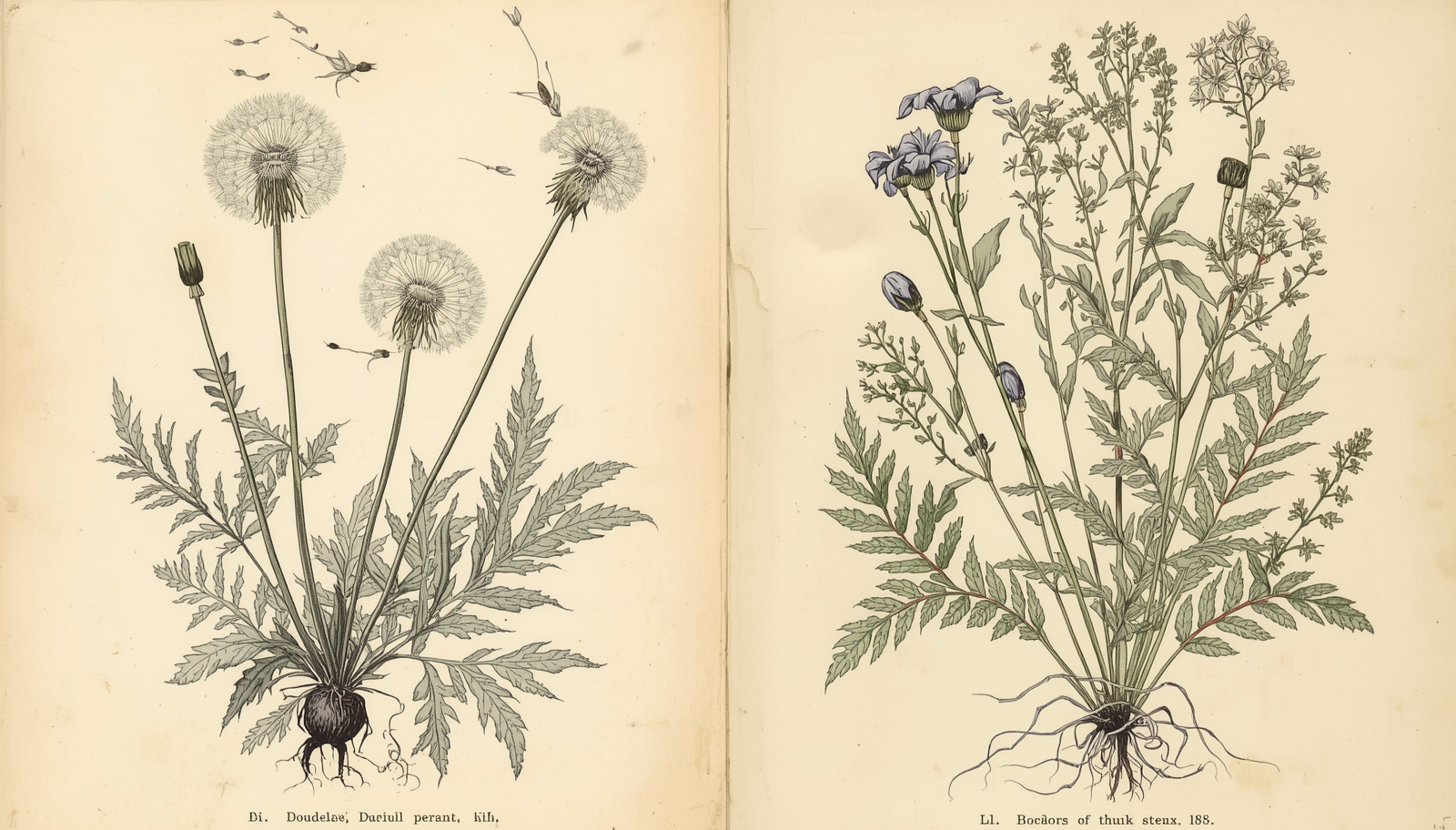
Spring arrives with its promise of renewal, and suddenly every wellness influencer is promoting “liver cleanses” and “detox teas.” However, can traditional spring herbs like dandelion and burdock actually support your liver, or is this just seasonal marketing hype?
Why Spring Became “Detox Season” in Traditional Medicine
For centuries, spring marked a natural transition from preserved winter foods to fresh greens. Traditional European herbalism embraced this seasonal shift with what practitioners called “spring tonics” — bitter herbs that were believed to support the body after months of heavier fare.
Dandelion and burdock featured prominently in these spring rituals. Interestingly, both herbs emerge early in spring when other fresh foods remained scarce. This timing wasn’t coincidental — these hardy plants provided essential nutrients after winter’s nutritional limitations.
However, the concept of “detoxification” as marketed today differs significantly from traditional practices. Traditional herbalists focused on supporting natural bodily functions rather than eliminating mysterious “toxins.”
How Your Liver Actually Processes Unwanted Substances
Before examining dandelion and burdock, it’s essential to understand what “liver cleansing” actually means. Your liver already performs sophisticated detoxification through two main phases.
Phase I detoxification breaks down substances using enzymes called cytochrome P450. Meanwhile, Phase II conjugation makes these breakdown products water-soluble for elimination through urine or bile.
Your liver processes everything from environmental chemicals to natural plant compounds and metabolic waste products. Importantly, this system operates continuously — not just during seasonal “cleanses.”
The liver also produces bile, which aids fat digestion and helps eliminate certain waste products. This is where dandelion’s traditional reputation becomes scientifically interesting.