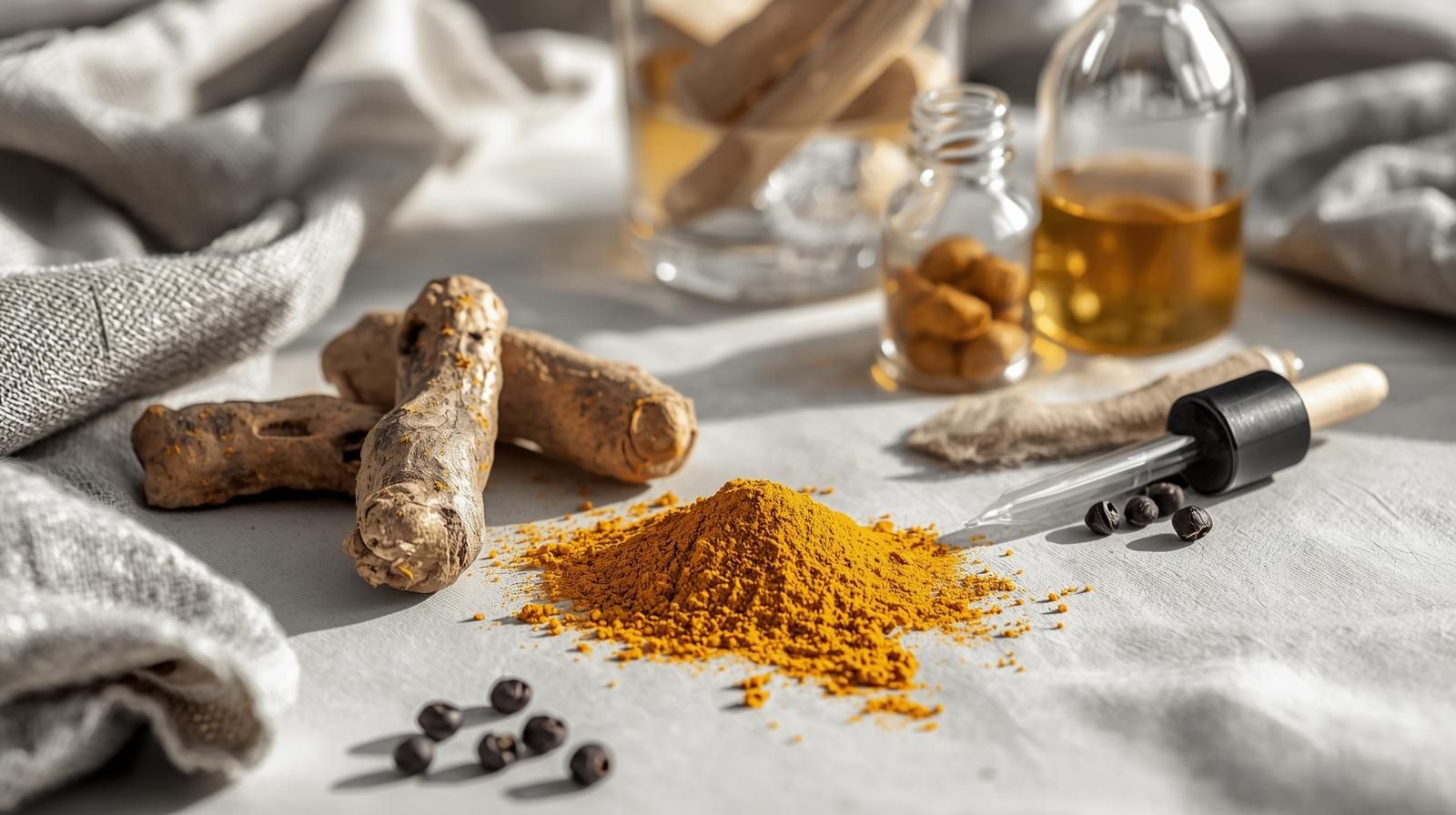
Turmeric, the vibrant yellow spice that adds a golden hue and distinct flavor to curries, holds a prominent place in the annals of herbal medicine. Known scientifically as Curcuma longa, turmeric has been used for thousands of years, primarily in Asia, within systems of traditional medicine such as Ayurveda, Traditional Chinese Medicine (TCM), and Unani medicine.
From Culinary Spice to Healing Herb
Originally used as a spice, turmeric’s potential as a health-promoting herb soon garnered attention due to its wide array of claimed benefits. In Ayurveda, it is known as “Haridra,” and has been used for digestive and liver disorders, showing its versatility as both a culinary and medicinal staple. The use of turmeric in these practices is deeply rooted in cultural rituals, where it’s revered not only for its supposed health benefits but also as a symbol of prosperity and purification.
The Science Behind Turmeric’s Magic
The secret to turmeric’s medicinal allure lies in its active component, curcumin. This powerful compound is praised for its anti-inflammatory and antioxidant properties. Curcumin works by inhibiting pro-inflammatory pathways, making it a natural counterpart to modern anti-inflammatory drugs. Its mechanisms include the inhibition of nuclear factor kappa-light-chain-enhancer of activated B cells (NF-κB) and cyclooxygenase-2 (COX-2) pathways, which are pivotal in reducing inflammation.
Proven Health Benefits
Turmeric, especially curcumin, has been extensively studied for its health benefits. Clinical studies highlight its efficacy in reducing symptoms of inflammatory conditions like osteoarthritis and ulcerative colitis. It’s not just the elderly who can benefit from turmeric’s powers; its antioxidant properties suggest it might help maintain youthful vigor and health.
Moreover, curcumin has shown promise as a complementary treatment in various conditions. For example, it aids in the reduction of inflammatory biomarkers and supports metabolic health. However, the notoriously poor bioavailability of curcumin once ingested leads researchers to recommend combining it with piperine (found in black pepper) to enhance absorption.