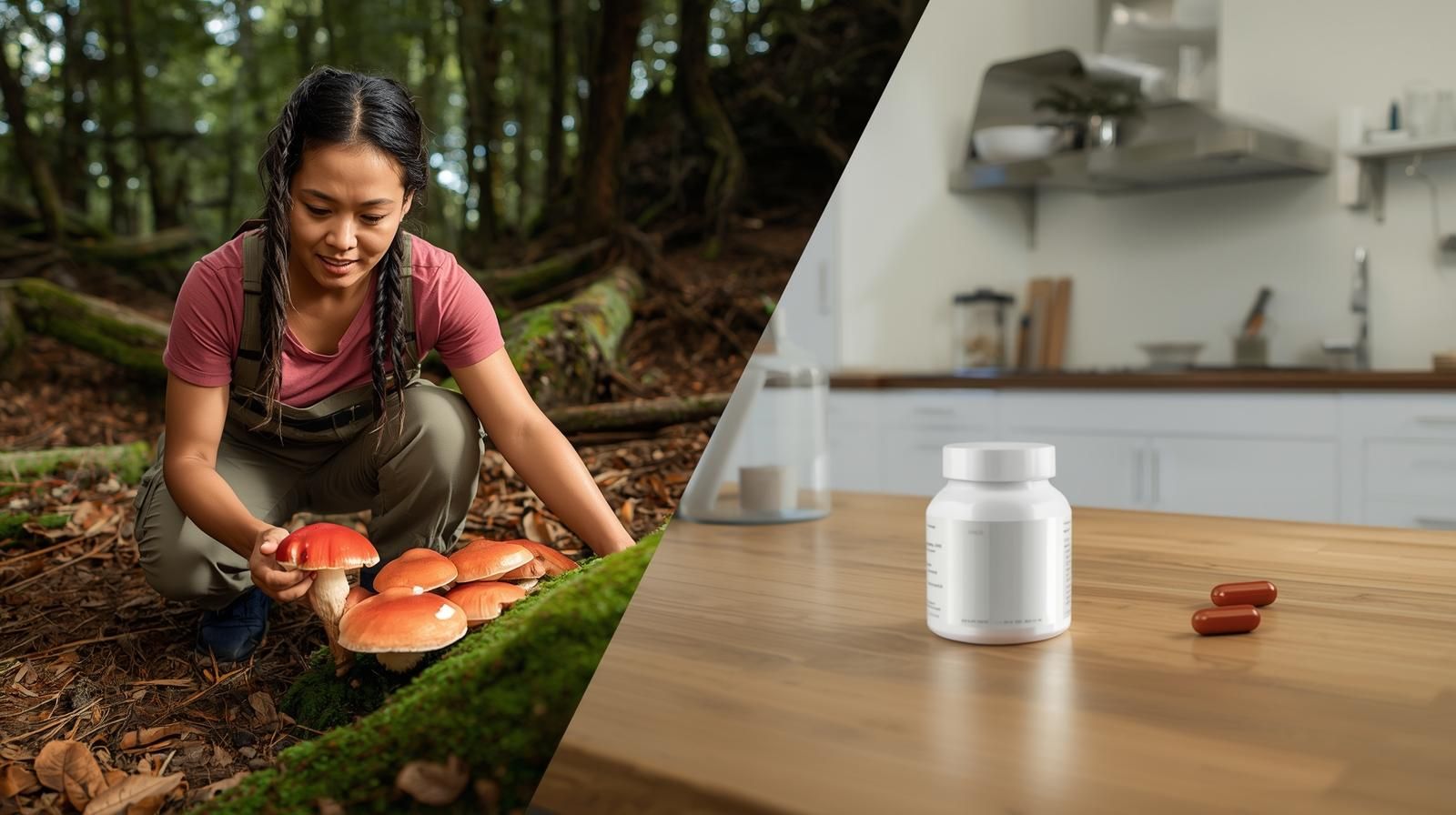
For millennia, Reishi mushrooms (Ganoderma lucidum), also known as the “mushroom of immortality,” have been revered in traditional Chinese medicine for their potential health benefits. Modern science is beginning to unravel the complexities underlying these benefits, leading to a surge of interest in reishi as a complementary therapy for various conditions. This article delves into the active compounds in reishi, the evidence supporting its use, and practical advice for those considering its incorporation into their wellness routine.
Understanding the Compounds: The Scientific Backdrop
Reishi mushrooms are rich in bioactive compounds that play significant roles in their health-promoting properties. The primary active constituents include:
- Triterpenoids (Ganoderic Acids): These compounds exhibit anti-inflammatory, antioxidant, and immune-modulating effects. They can also have a cytotoxic effect on certain cancer cells, making them crucial in cancer-related therapies .
- Polysaccharides (Beta-Glucans): Known for their immune-enhancing properties, beta-glucans stimulate various immune cells, aiding in the body’s defense against pathogens .
- Peptidoglycans: These compounds may support immune function and modulate inflammatory responses .
By interacting with different pathways in the body, these compounds help reduce oxidative stress, enhance immune responses, and modulate inflammation, thereby contributing to overall health and wellness.
Evidence in Support of Reishi
Clinical evidence suggests that reishi can be beneficial as an adjunct therapy in several contexts. According to a comprehensive review, grade B evidence indicates that reishi can enhance immune function by positively impacting T-lymphocyte populations . Moreover, studies have shown improvements in quality of life among patients undergoing cancer treatment, highlighting a potential role in alleviating some adverse effects of conventional therapies .